A Simple Step-by-Step Guide for Beginners (2026)
Meta Description: Learn how to create a monthly budget using the 50/30/20 rule. Follow simple steps, see a sample budget, and start saving more money every month.
Focus Keywords: monthly budget, how to make a budget, budgeting for beginners, 50/30/20 rule, zero-based budget, personal finance
How to Make a Monthly Budget: A Simple Step-by-Step Guide for Beginners
If your paycheck seems to vanish before the month ends, you are far from alone. Rent, groceries, gas, insurance and subscriptions keep climbing, and it is easy to feel like you are working hard without getting ahead. The solution does not require a huge raise. It requires a plan, and that plan is called a monthly budget.
A budget is not a punishment. It is simply a way to tell your money where to go instead of wondering where it went. This guide walks you through building your first budget from scratch.
What Is a Monthly Budget?
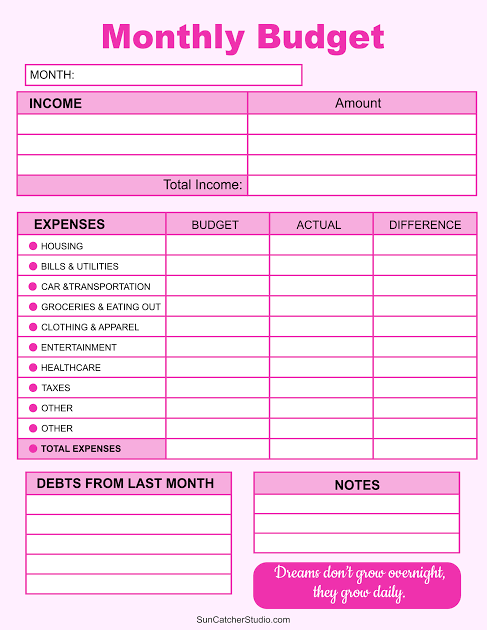
A monthly budget is a written plan that compares the money you expect to earn with the money you expect to spend and save during the month. It covers your income, your fixed bills, your flexible spending and your savings goals.
With a clear plan, you can spot waste, avoid credit card debt and build wealth steadily.
Why a Budget Matters
A good budget helps you:
- Know exactly how much you can safely spend
- Avoid relying on credit cards or payday loans
- Build an emergency fund and retirement savings
- Reach goals like buying a home, paying off student loans or traveling
- Reduce money-related stress
Step 1: Calculate Your Monthly Income
Write down the money you reliably receive each month, using your take-home pay (after taxes, health insurance and retirement contributions). Include:
- Your paycheck
- Side hustle or freelance income
- Rental income
- Child support, alimony or benefits you regularly receive
If your income changes from month to month, review the last six months and use the lowest figure as your base. This keeps your plan realistic.
Step 2: List Your Fixed Expenses
Fixed expenses stay about the same each month:
- Rent or mortgage payment
- Car payment and car insurance
- Student loan payments
- Health, renters or home insurance
- Internet and phone plans
- Childcare
Check your bank statements for the exact amounts.
Step 3: List Your Variable Expenses
Variable expenses change from month to month:
- Groceries
- Gas or public transit
- Utilities that vary with the season, like electricity and heating
- Dining out and takeout
- Clothing and household items
- Entertainment and streaming
- Medical copays
Review the last two or three months of bank and credit card statements. Most people are surprised by how much small purchases add up.
Step 4: Choose a Budgeting Method
The 50/30/20 Rule
This is the easiest method for beginners:
- 50% for needs: housing, utilities, groceries, transportation, insurance, minimum debt payments
- 30% for wants: dining out, hobbies, subscriptions, shopping, travel
- 20% for savings and extra debt payments: emergency fund, retirement, investments
If you live in an expensive city, your needs might take 60% or more. That is common. Try a 60/20/20 split and improve it gradually.
Zero-Based Budgeting
Every dollar gets a job. Your income minus your spending and saving equals zero. This method gives you tight control and works well if you tend to overspend.
The Envelope Method
You set a cash limit for categories like groceries or entertainment. When the money is gone, you stop spending in that category until next month. Digital versions exist in many budgeting apps.
Step 5: See a Sample Budget
Here is an example for someone with $4,000 in monthly take-home pay using the 50/30/20 rule:
| Category | Percentage | Amount |
|---|---|---|
| Needs | 50% | $2,000 |
| Wants | 30% | $1,200 |
| Savings and debt payoff | 20% | $800 |
Within the $2,000 for needs, a person might spend $1,100 on rent, $350 on groceries, $200 on transportation, $200 on utilities and phone, and $150 on insurance. Your numbers will differ depending on where you live and your family size.
Step 6: Pay Yourself First
Move money into savings as soon as you get paid, before you have a chance to spend it. Set up an automatic transfer to a high-yield savings account or a retirement account. Even $25 or $50 per paycheck builds a powerful habit.
If your employer offers a 401(k) match, contribute at least enough to receive the full match. It is essentially free money added to your paycheck.
Step 7: Track Your Spending Weekly
A budget only works if you review it. Spend ten minutes every week comparing what you planned with what you spent. You can use:
- A free spreadsheet template
- A budgeting app
- A simple notebook
If you overspend in one category, shift money from another category rather than ignoring it.
Step 8: Build in a Buffer
Unexpected costs happen: a car repair, a vet bill or a last-minute flight. Add a small “miscellaneous” category of about 5% of your income. If you do not use it, move it to savings at the end of the month.
Do Not Forget Irregular Expenses
Many people get derailed by costs that appear only once or twice a year. Examples include:
- Holiday gifts and travel
- Car registration and maintenance
- Annual subscriptions
- Back-to-school shopping
- Property taxes or insurance premiums paid yearly
Add up their yearly cost, divide by 12 and save that amount every month in a “sinking fund.”
Common Budgeting Mistakes
- Being too strict. If your budget leaves no room for fun, you will quit. Include some guilt-free spending.
- Ignoring small purchases. Coffee, snacks and delivery fees quietly drain hundreds of dollars.
- Using credit cards without tracking. Swiping is easy, so record every purchase.
- Quitting after one bad month. Adjust and keep going.
- Never reviewing your budget. Your life changes, so your budget should too.
How to Stay Motivated
- Set a specific goal, such as “Save $5,000 by next December.”
- Celebrate milestones with a small reward.
- Share your goals with a partner or friend.
- Check your budget on the same day each month.
Final Thoughts
Creating a monthly budget is one of the most effective steps you can take toward financial freedom. Calculate your income, list your expenses honestly, pick a method like the 50/30/20 rule and track your progress each week. Your first budget will not be perfect, but after two or three months you will know your habits and your money will start working for you.
Take action today: open a spreadsheet or app, enter your income and expenses, and finish your first budget before the month ends.
Disclaimer: This article is for educational purposes only and is not professional financial advice.
No responses yet